
Pressure Cleaning in Oxford for Cleaner Outdoor Surfaces
- Cleaning patios, driveways, and garden paving
- Removing algae, moss, and built-up dirt
- Suitable for homes, rentals, and outdoor areas
- Helps restore a cleaner and safer surface
Pressure cleaning in Oxford is often needed when outdoor surfaces start to look worn, slippery, or heavily stained from weather and regular use. With My Gardeners Oxford, the focus is on removing built-up dirt and organic growth in a way that restores the surface without causing damage. This is particularly important in shaded areas where algae and moss develop quickly, making patios and paths unsafe. We often work on driveways and paving that haven’t been cleaned for a long time, where the original surface is hidden under layers of grime. A recent job in Headington involved a patio that had become slippery due to moss buildup, which was cleared to reveal a much cleaner and safer finish underneath. Surface type, drainage, and condition all affect how the cleaning is carried out. The aim is to bring outdoor areas back to a usable state with a clear, even result.
How Pressure Cleaning Works on Oxford Surfaces
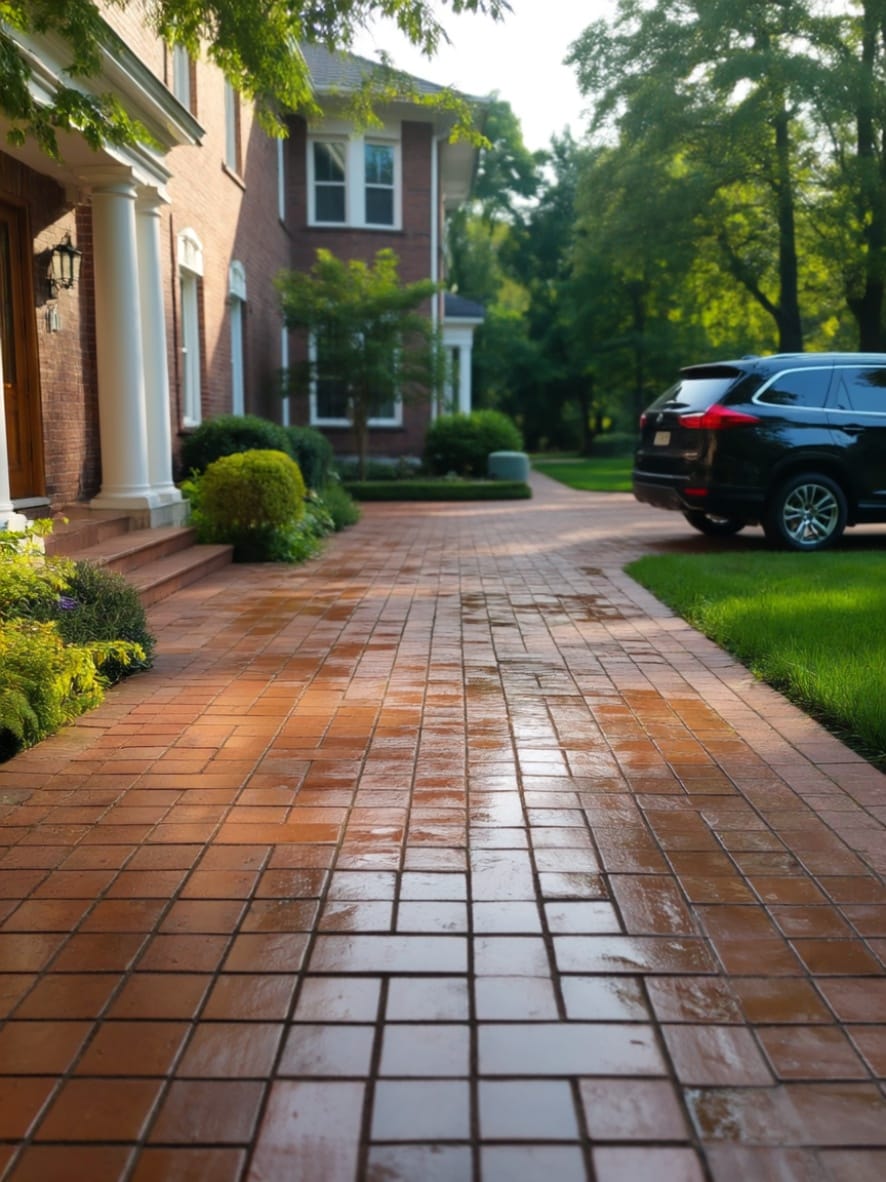
Pressure cleaning in Oxford is less about making surfaces look brand new and more about removing the buildup that develops over time. Patios, driveways, and pathways are constantly exposed to weather, foot traffic, and organic growth, which gradually changes their appearance and, in some cases, makes them unsafe to use.
One of the most common issues is algae and moss, especially in shaded gardens or areas that don’t dry out quickly. These surfaces can become slippery, particularly after rain, which is when most people realise there’s a problem. Simply brushing the surface doesn’t remove the root of the issue, which is why pressure cleaning is often needed to clear it properly.
The process starts by assessing the surface type. Not all materials respond the same way to pressure washing. For example, natural stone, concrete slabs, and block paving each require a slightly different approach to avoid damage while still removing dirt effectively. Using too much pressure in the wrong way can disturb joints or mark softer materials, so adjusting the method is important.
A recent job in Cowley involved a driveway that looked uniformly dark due to years of dirt buildup. Once cleaned, the original colour variation of the blocks became visible again, which made a significant difference to the overall appearance. It’s a common situation where the surface hasn’t deteriorated — it’s just covered.
Another factor is drainage. During cleaning, water and debris need to flow away properly, otherwise the dirt can settle back onto the surface. In some Oxford properties, especially those with limited slope or older paving, this needs to be managed carefully to get an even result.
Access can also affect how the work is carried out. Narrow pathways, shared access areas, or limited outdoor space can slow the process slightly, but it doesn’t prevent the job from being completed.
Most pressure cleaning jobs take between one and three hours depending on the size and condition of the area. Heavily soiled surfaces may take longer, especially if the buildup is thick or has been there for years.
With My Gardeners Oxford, the aim is to clean surfaces thoroughly while preserving their condition, leaving them safer and more usable.
What Our Customers Say About My Gardeners Oxford


“Reliable and straightforward. They turn up, get on with the job, and the garden stays in good shape between visits.”
“I tried doing it myself but couldn’t keep up. Since they’ve been coming regularly, it’s a lot less stressful and the garden actually looks consistent.”
“The hedges had been badly trimmed before and needed sorting properly. Took a bit more time, but now they’re much easier to maintain.”
“Had issues with uneven grass and messy edges. They adjusted how it was cut and it’s improved more than I expected over a few visits.”
“Booked them after letting the garden get out of hand over winter. They didn’t rush it, just worked through everything properly. It already looked more manageable after the first visit.”
“I needed a quick tidy-up before new tenants moved in. They understood exactly what was needed — not overdone, just clean and presentable.”
What Affects Pressure Cleaning Results
Pressure cleaning can make a significant difference to outdoor surfaces, but the final result depends on several factors that aren’t always obvious at first. In Oxford, weather exposure, surface age, and previous maintenance all play a role in how well a patio or driveway responds to cleaning.
One of the main factors is how long the dirt and organic growth have been building up. Surfaces that are cleaned regularly tend to come up evenly and with less effort, while those left for years may have deeper staining. Moss and algae, for example, can settle into the surface over time, especially in shaded areas, making them harder to remove completely in one pass.
Surface type also matters. Some materials, like concrete slabs, are more durable and respond well to pressure cleaning, while others, such as softer stone or older paving, require a more controlled approach. Using too much pressure in these cases can cause damage or disturb the joints, which is why the method is adjusted depending on the condition of the surface.
Another common issue is jointing between paving slabs or blocks. When these joints are already worn or loose, cleaning can remove more material, leaving gaps that may need to be refilled afterward. This doesn’t mean the cleaning has caused the problem — it usually reveals existing wear that wasn’t visible before.
A recent job in Marston showed how these factors come together. The patio had not been cleaned for several years, and while most of the surface came up well, some deeper stains remained in areas that had been constantly damp. The result was still a clear improvement, but it highlighted that not every surface returns to a “like new” condition.
It’s also important to consider weather after the cleaning. Surfaces will dry differently depending on sunlight and airflow, and in shaded gardens, moisture can return more quickly, which may encourage regrowth over time.
With My Gardeners Oxford, the focus is on achieving the best possible result for each surface while being realistic about what pressure cleaning can and cannot fully restore.
Recent Pressure Cleaning Job in Oxford
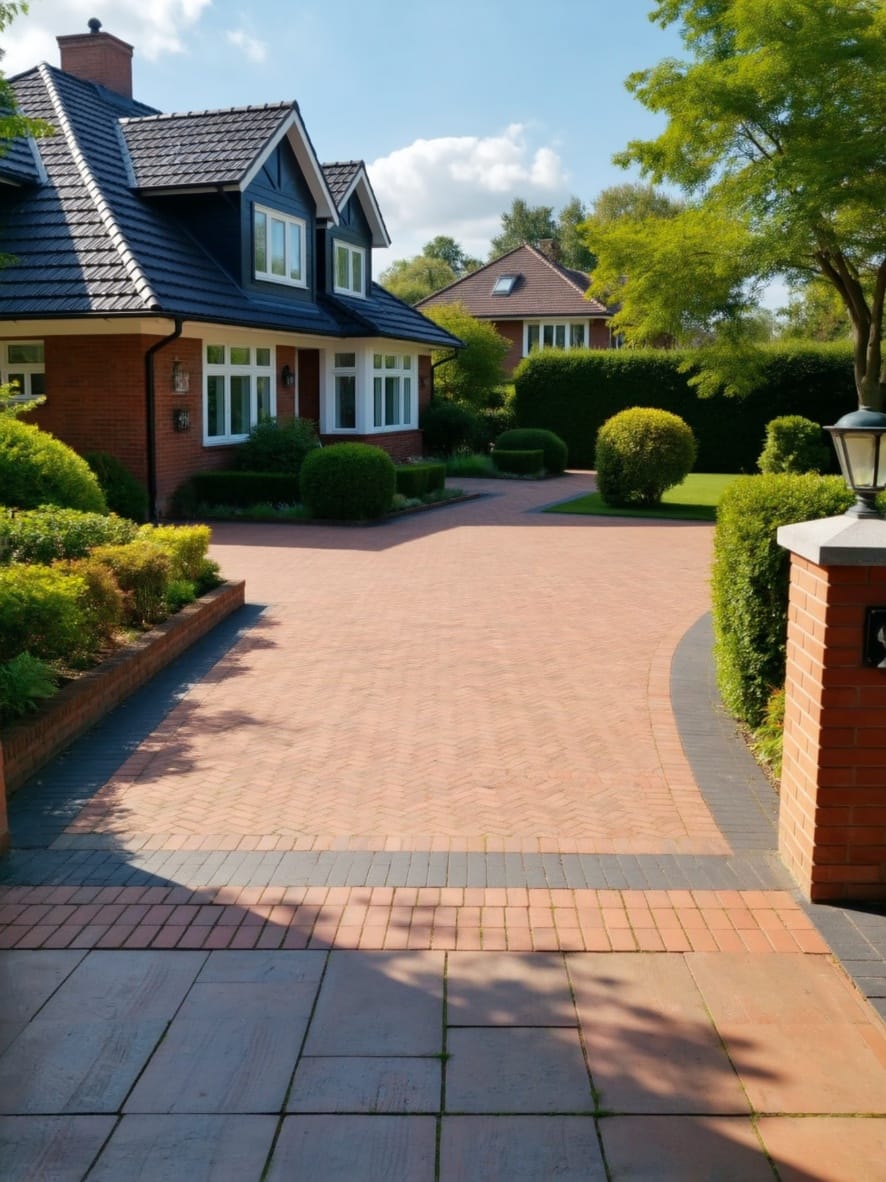
A recent pressure cleaning job carried out by My Gardeners Oxford in Headington showed how much buildup can accumulate on outdoor surfaces without it being obvious at first. The property had a medium-sized patio that hadn’t been cleaned for several years. From a distance, it looked evenly dark, but once we started working, it became clear that the original surface was hidden under layers of dirt, algae, and moss.
The main issue was in the shaded areas near the back of the garden, where moisture stayed longer after rain. This had allowed moss to develop, making parts of the patio slippery and unsafe to walk on. The customer had tried brushing it down before, but the problem kept coming back because the growth hadn’t been removed fully from the surface.
Before starting, the condition of the paving was checked to make sure it could handle pressure cleaning without damage. Some of the joints between the slabs were already slightly worn, which meant the pressure had to be controlled carefully to avoid removing more material than necessary.
The cleaning was done section by section to ensure an even result. As the buildup was removed, the original colour of the slabs started to show through, which created a clear contrast between cleaned and uncleaned areas. This is something we often see in Oxford gardens where surfaces have not been maintained regularly.
Drainage was another factor. The patio had a slight slope, which helped water flow away, but care was still needed to stop dirt from settling back onto already cleaned areas. Working methodically made sure the finish stayed consistent across the whole space.
The job took just under three hours to complete. By the end, the patio was noticeably cleaner, safer to use, and easier to maintain going forward.
While some deeper marks remained in areas that had been damp for long periods, the overall improvement was clear. Regular cleaning in the future will help maintain the result and prevent the same level of buildup from returning.
Frequently Asked Questions
Explore Our Garden Services in Oxford

Christmas Tree Delivery
Christmas Tree Delivery
Christmas Tree Delivery: Supplying and delivering fresh Christmas trees directly to your home, ready to be set up and enjoyed without the hassle of transport. Read more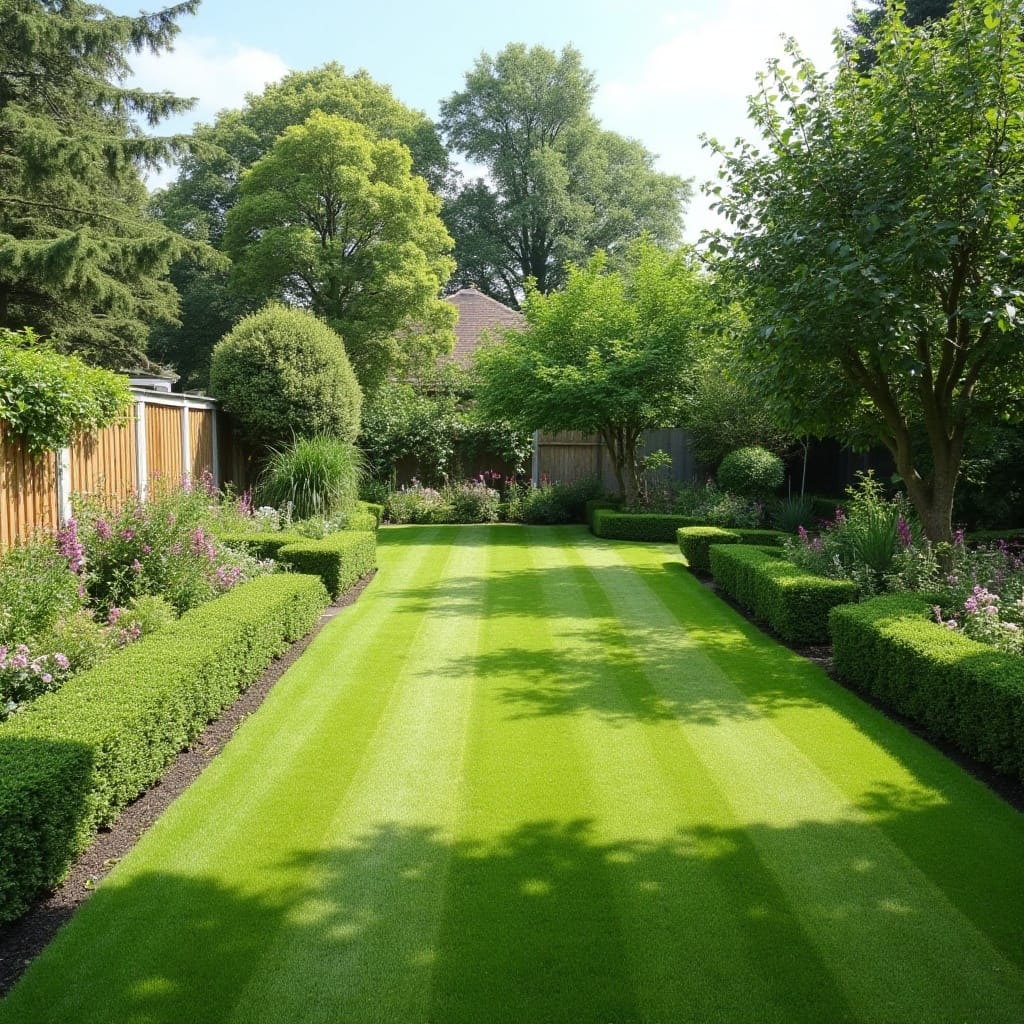
Garden Maintenance
Garden Maintenance
Garden Maintenance: Regular care to keep lawns, hedges, and plants tidy, healthy, and under control throughout the seasons. Read more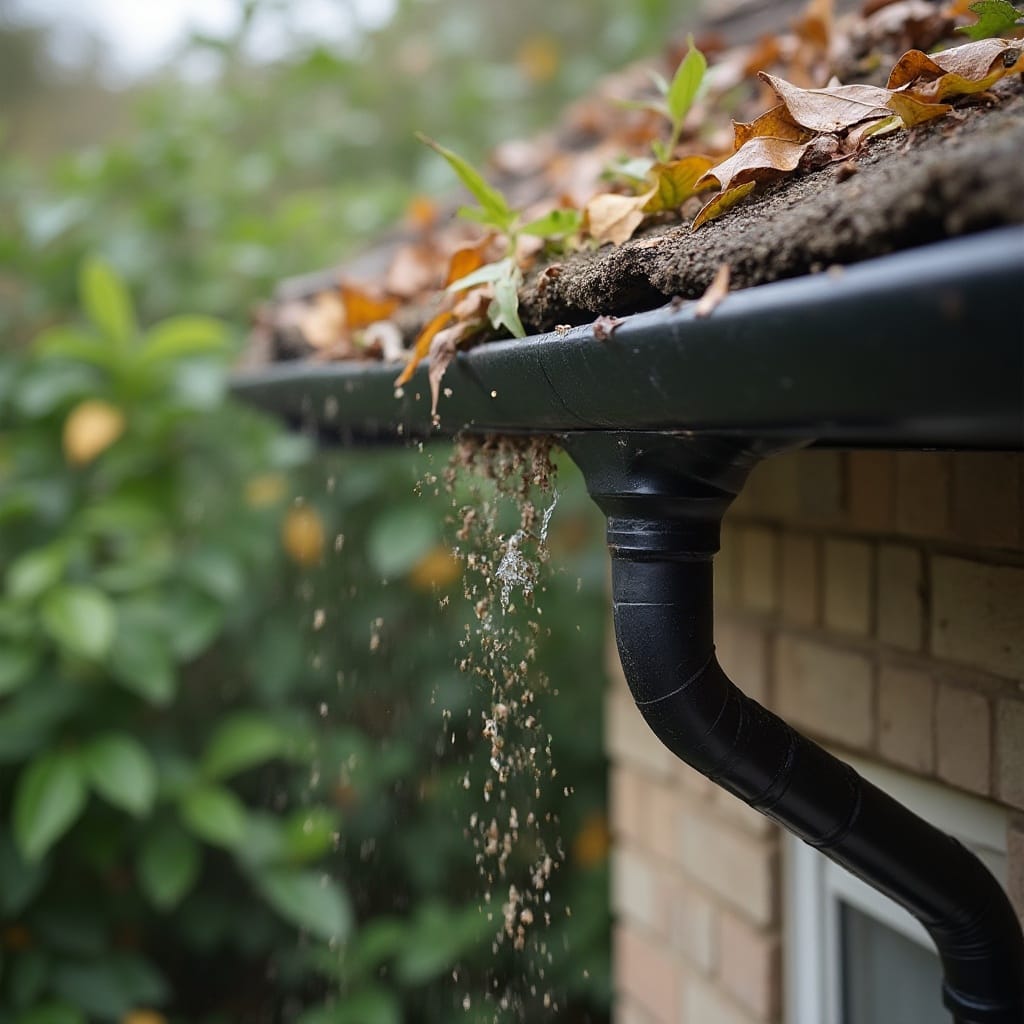
Gutter Cleaning
Gutter Cleaning
Gutter Cleaning: Clearing blocked gutters and downpipes to prevent water overflow, damp issues, and damage to walls or foundations. Read more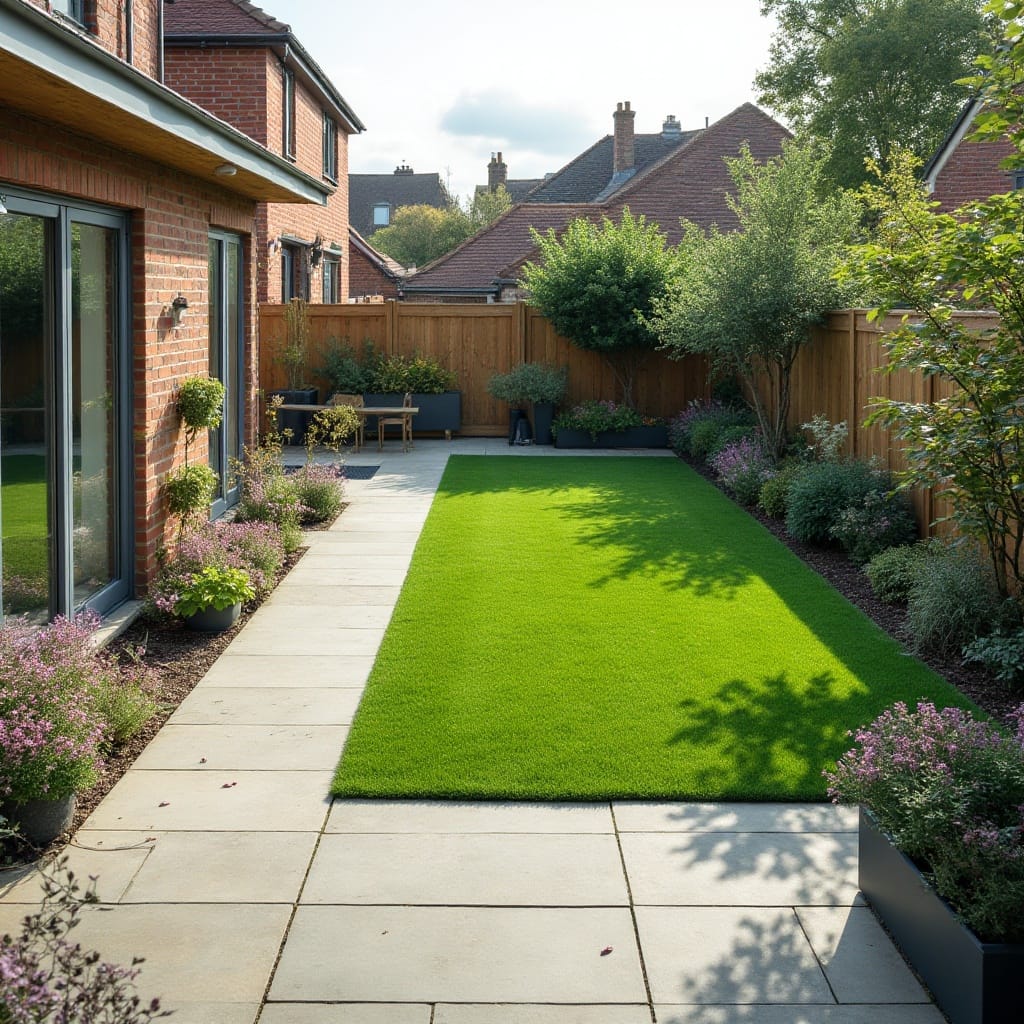
Landscaping
Landscaping
Landscaping: Reshaping and improving your garden layout with practical changes that make the space more usable, structured, and easier to maintain. Read more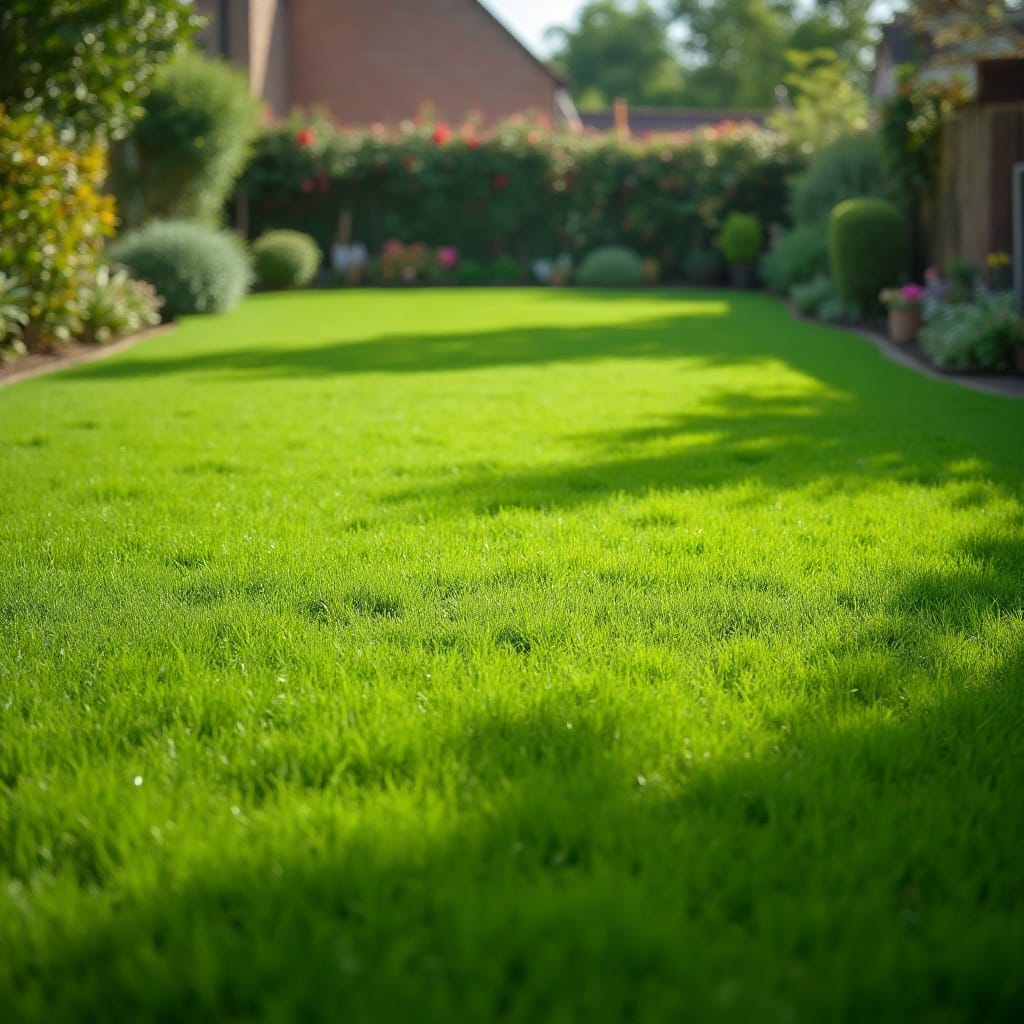
Lawn Care
Lawn Care
Lawn Care: Improving grass condition through proper mowing, feeding, and treatment to achieve thicker, healthier, and more even growth over time. Read more
Pressure Cleaning
Pressure Cleaning
Pressure Cleaning: Removing built-up dirt, algae, and grime from patios, driveways, and outdoor surfaces to restore a clean and safe finish. Read more
Tree Surgery
Tree Surgery
Tree Surgery: Safe cutting, pruning, and removal of trees to manage growth, reduce risk, and keep outdoor spaces secure and well-balanced. Read more